
Overview
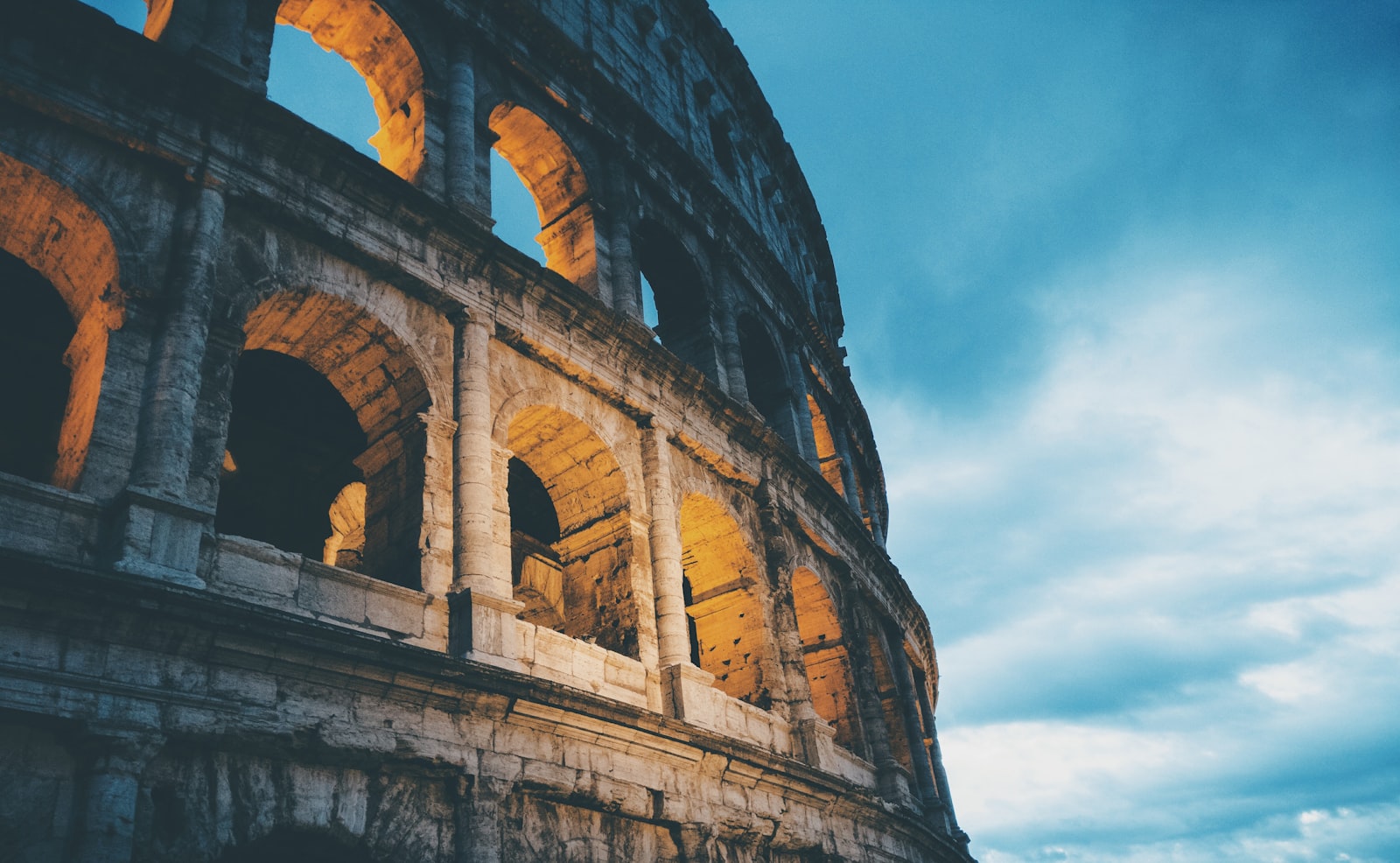
Roma, the Eternal City, is a mesmerizing blend of ancient history, vibrant culture, and modern life. Known for its iconic landmarks such as the Colosseum, the Vatican, and the Pantheon, Roma offers travelers a unique opportunity to walk through the pages of history. Each corner of the city whispers tales of emperors, artists, and revolutionaries, making it a captivating destination for history buffs and culture enthusiasts alike.
History and Culture
Founded in 753 BC, Roma has been a significant hub of civilization for centuries. Its rich history has shaped not only Italy but also the world. The city is home to remarkable art, stunning architecture, and culinary delights that reflect its diverse heritage. From the grandeur of Renaissance art to the rustic charm of local trattorias, Roma is a feast for the senses that beckons travelers from all corners of the globe.
Visiting Roma is not just about seeing sights; it's about immersing oneself in the lively atmosphere, indulging in authentic Italian cuisine, and connecting with the locals. Whether you're strolling through the cobbled streets of Trastevere or sipping espresso in a historic piazza, Roma offers an unforgettable experience that will stay with you long after your visit.
Highlights
🏛️ The Colosseum
Explore the iconic amphitheater where gladiators once fought.
⛪ St. Peter's Basilica
Marvel at the grandeur of this magnificent church and its stunning dome.
🎨 The Vatican Museums
Admire an incredible collection of art, including the Sistine Chapel.
🏰 The Pantheon
Visit this architectural wonder known for its massive dome and oculus.
🌉 Ponte Sant'Angelo
Walk across this beautiful bridge lined with angel statues.
🍝 Trastevere
Experience the charm of this bohemian neighborhood filled with great eateries.
🕍 The Roman Forum
Wander through the ruins of ancient government and religious centers.
🌸 Villa Borghese
Relax in this expansive park that houses art galleries and beautiful gardens.
Best Time to Visit
The best time to visit Roma is during the spring (April to June) and fall (September to October) when the weather is mild and pleasant. These seasons are ideal for exploring the city's outdoor attractions and enjoying al fresco dining. Summer months can be hot and crowded, especially in tourist hotspots.
For a unique experience, consider visiting during major festivals like the Roman Summer Festival in July or the Feast of Santa Maria in Trastevere in January, which showcase the city's rich traditions and vibrant culture.
Pro Tips
🚍 Public Transport
Utilize the metro and bus systems for efficient travel around the city.
💳 Currency
Italy uses the Euro; having cash on hand is useful for small purchases.
🕰️ Timing
Visit popular attractions early in the morning or late in the afternoon to avoid crowds.
🍕 Dining Etiquette
It’s customary to tip around 10% in restaurants, but check if a service charge is included.
📱 Mobile Data
Consider getting a local SIM card for easy internet access during your trip.
⏳ Advance Bookings
Book tickets for major attractions online to skip long lines.
👟 Walking Shoes
Wear comfortable shoes; many streets are cobbled and best explored on foot.
🗣️ Learn Basic Italian
Knowing a few Italian phrases can enhance your interactions with locals.
Itineraries for Roma
Frequently Asked Questions
What is the best way to get around Roma?
Public transportation, including buses and the metro, is efficient and affordable.
Is Roma safe for tourists?
Roma is generally safe, but be vigilant against pickpockets, especially in crowded areas.
What are the must-try foods in Roma?
Don't miss out on dishes like Carbonara, Cacio e Pepe, and Roman-style pizza.
Do I need to book tickets in advance for attractions?
Yes, booking tickets online in advance is recommended for popular sites to avoid long waits.
What language do they speak in Roma?
The primary language is Italian, but many people speak English in tourist areas.
When is the best time to visit the Vatican?
Early mornings or late afternoons are ideal to avoid large crowds.